
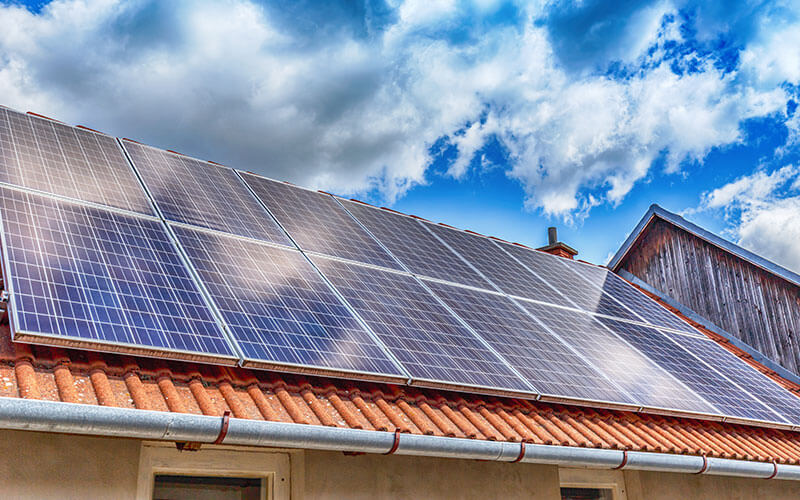
Loadshedding was first implemented by Eskom in April 2008, and since then it has caused many disruptions to daily life, for individuals and businesses alike. To minimize the impact, many households and businesses have taken matters into their own hands and installed alternative sources of power such as solar panels, inverters, and generators.
The usage of these power sources has become increasingly prevalent in South Africa, offering numerous benefits. However, along with their increased popularity, there has been an increase in fire incidents, theft cases, and power surge claims associated with these systems.
Below we aim to shed light on the importance of selecting appropriate insurance coverage to safeguard these valuable assets.
Differentiating Between Permanent and Temporary Installations:
It is crucial to distinguish between permanent electrical installations, such as rooftop solar and battery backup systems, and temporary mobile solutions like plug-in inverters. Similarly, generators can be categorized as fixed or mobile power sources based on their installation and connectivity.
Coverage for Permanent Installations:
When a solar panel system is a fixed installation, it is generally covered by building insurance if the insured sum is adequate. However, it’s essential to be aware of certain coverage restrictions and limits, especially pertaining to theft of exterior fixtures and fittings, as well as power surge incidents. In contrast, mobile units should be insured as part of contents coverage.
Adhering to Safety Regulations:
Both safety and insurance considerations necessitate strict compliance with relevant South African National Standards (SANS) regulations. SANS 10142-1-7:12 outlines the minimum safety requirements for utilizing alternative power sources.
Importance of Professional Installation:
For insurance purposes and safety compliance, it is critical that all fixed installations be carried out by registered electricians in accordance with the Electrical Installation Regulations. A Certificate of Compliance (COC) must be issued, which will be required in the event of a claim.
Consideration for Structural Integrity:
Another vital requirement is ensuring that the roof structures can support the installed system, as per SANS 10106:2014 5.3.1.
As the utilization of solar panels, inverters, and generators continues to grow in South Africa, it is essential to prioritize adequate insurance coverage to safeguard against potential risks. By understanding the distinction between permanent and temporary installations, adhering to safety regulations, and considering structural integrity, you can make informed choices regarding the protection of your assets.


